
Global AI Talent and Employment Transformation - WEF Interprets Future Trends
The 2026 World Economic Forum (WEF) Annual Meeting in Davos discussed how AI is reshaping labor markets, job structures, and even human unique advantages, emphasizing that opportunities outweigh risks but requiring proactive responses to skills gaps and transition challenges.
AI's Impact on Employment
- AI accelerates job disruption, automating some routine cognitive tasks, but overall creates more new job opportunities. The WEF report predicts that by 2030, AI could lead to the disappearance of approximately 92 million jobs (the largest transformation since the Industrial Revolution), while simultaneously generating 170 million new jobs, primarily in AI infrastructure, data processing, and creative applications.
- NVIDIA CEO Jensen Huang likened AI to a "five-layer cake" (energy, chips, cloud, models, applications), stressing that each layer's construction creates employment, from energy infrastructure to application development.
- Microsoft CEO Satya Nadella noted that AI skills will become a critical pathway for employment and career development.
- LinkedIn data shows that AI has already created 1.3 million new jobs, with wages for AI-related roles rising by 27% since 2019. The conference's overall tone shifted from early concerns to "jobs, jobs, jobs," believing AI will drive net job growth.

Skills Transition Required
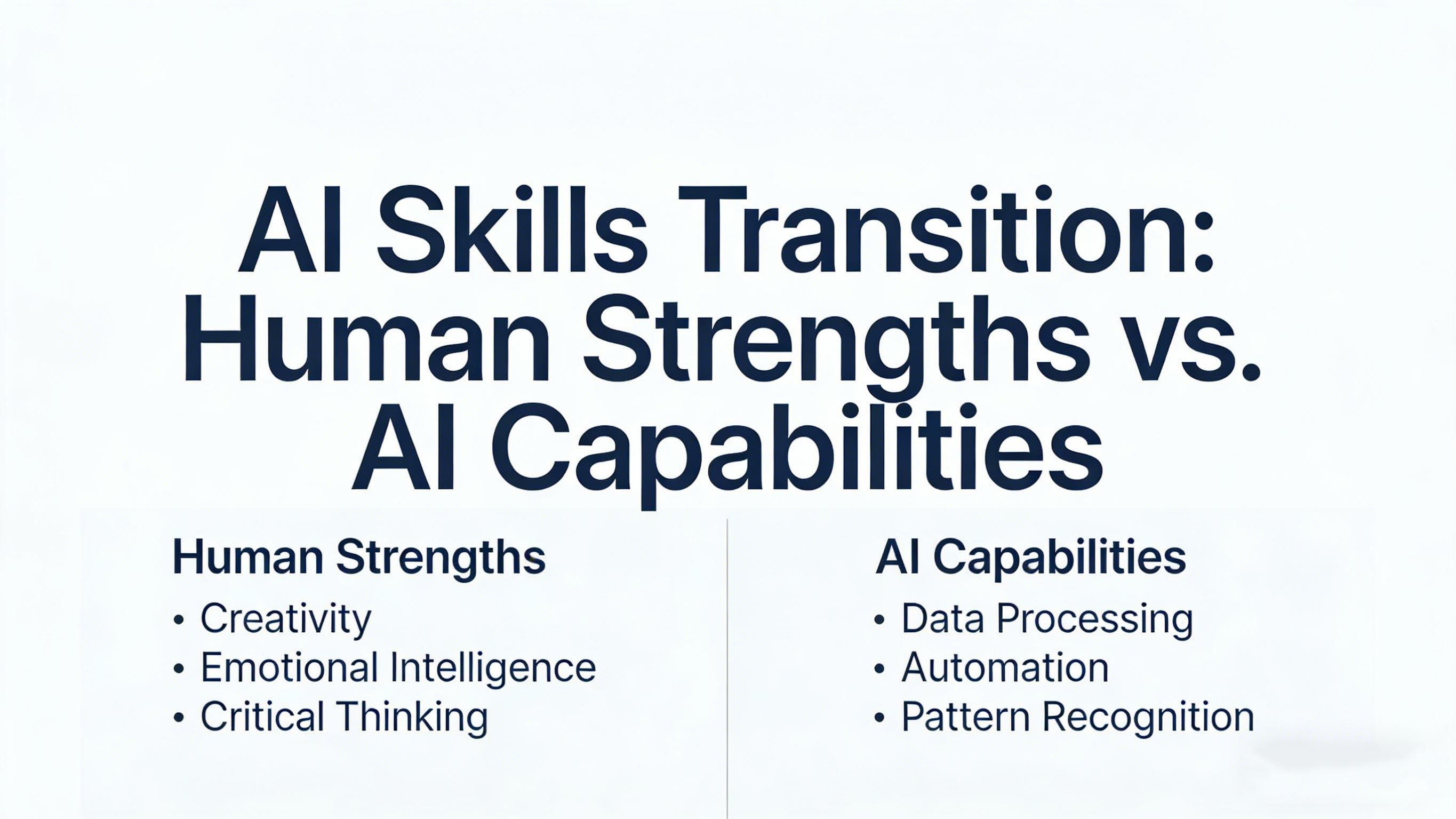
- Balance technical skills with human strengths — In the AI era, demand shifts to AI fluency (e.g., data analysis, GenAI applications) and hard-to-automate "human unique advantages" (creativity, innovation, adaptability, empathy, leadership). Only about 13% of human soft-skill tasks can be replaced by AI.
- "AI perception gap" exists: Employees generally acknowledge AI's significant societal impact but underestimate its impact on their own roles, leading to insufficient proactive learning. Employers also fail to provide adequate structured training.
- The WEF's *Future of Jobs Report 2025* indicates that AI and information processing technologies will affect 86% of businesses, with approximately 1.1 billion jobs requiring transformation by 2030.
Solutions and Initiatives
- Reskilling Revolution → A WEF-led global initiative already covering hundreds of millions, aiming to provide skills opportunities for 1 billion people by 2030. At the 2026 meeting, 25 tech companies pledged to provide AI skills training and career pathways for 120 million workers; countries like India launched national skills accelerators.
- Companies need to redesign job roles, dividing tasks into "machine-doable" (information extraction, draft generation) and "human judgment" (relationship management, trade-off decisions), and embedding personalized AI training into workflows.
- Emphasis on "inclusive AI" and equity to ensure AI benefits reach more people, avoiding infrastructure gaps like the "electricity divide" from exacerbating inequality.
Overall, the 2026 Davos consensus is that AI is not a "doomsday" for employment but an "intelligent colleague" amplifying human potential. Through large-scale reskilling, shared skills frameworks, and responsible deployment, humanity can achieve higher-quality employment in the AI era.